
How to Reduce Waste in Warehouse and Retail Operations
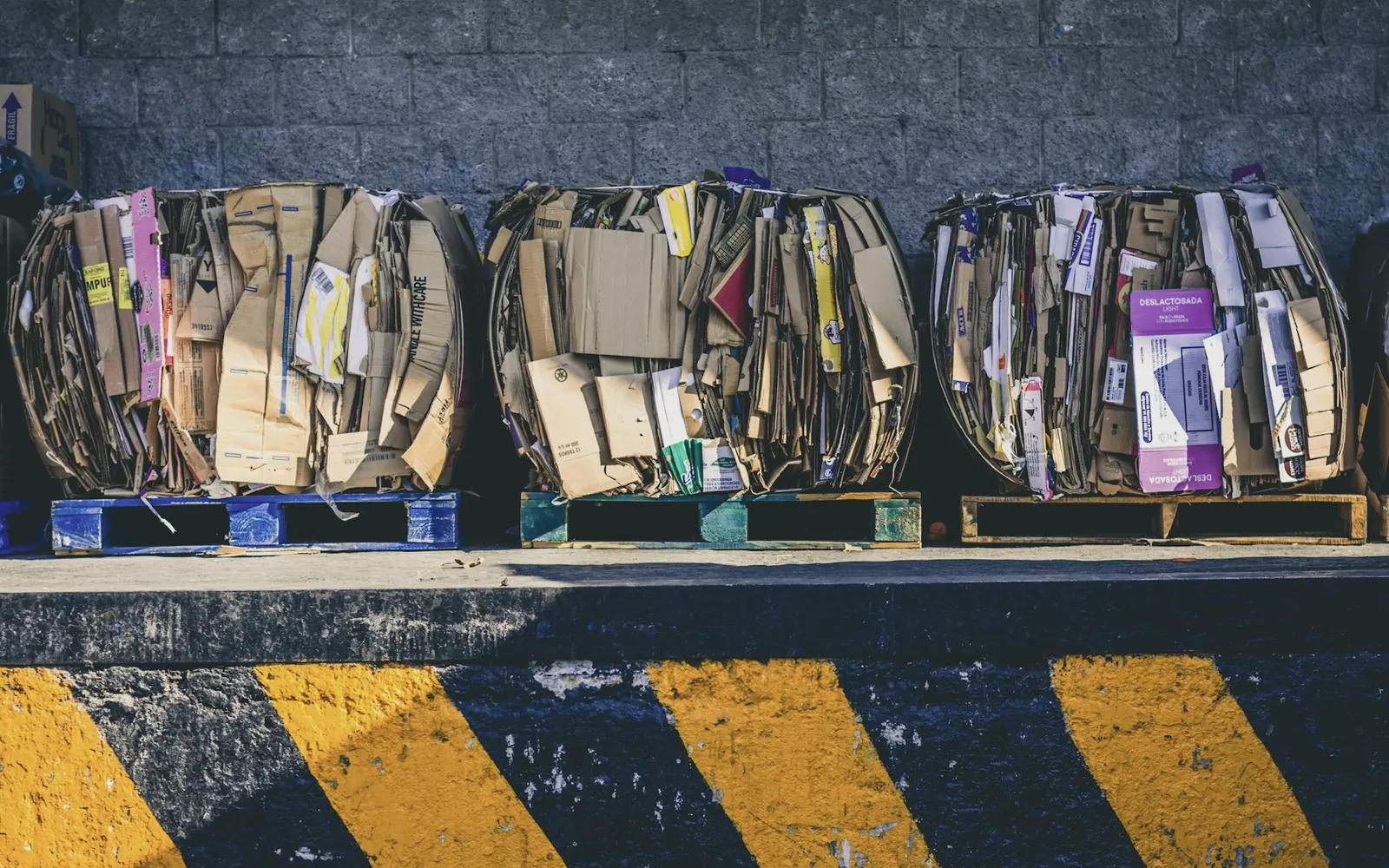
The fastest way to reduce waste in warehouse and retail operations is to stop treating it as a disposal problem and start treating it as an inventory and process problem. Most waste comes from five places: packaging, returns, overstock, slow-moving stock that ages out, and mixed trash that could have been separated. Fixing those five areas usually cuts both dumpster volume and cost, and each one is covered below with practical retail waste reduction tactics.
Key takeaways
- The biggest waste in most warehouses is unsold inventory, not cardboard. Products that expire, go obsolete or get damaged in storage are the costliest waste you have.
- Right-sizing packaging and reusing inbound materials reduces both waste and supply costs.
- Returns should be graded and routed quickly. A return that sits for months often ends up as trash.
- Liquidating slow movers early recovers more value and frees space for stock that sells.
- Separate recycling streams at the point of generation, not at the dumpster.
What are the main sources of waste in a warehouse?
Before changing anything, walk the building and look at what actually goes into the dumpsters and compactor for a week. Typical sources:
- Packaging: inbound cartons, stretch wrap, void fill, strapping, damaged pallets.
- Returns: items that never get processed and are eventually thrown out.
- Excess and obsolete inventory: discontinued SKUs, outdated packaging, expired or seasonal goods.
- Damage in handling: crushed cartons, forklift damage, poor stacking.
- Mixed waste: recyclable material contaminated by general trash.
Rank these by volume and by dollar value. The largest by volume is usually packaging. The largest by value is almost always inventory.
How to reduce packaging waste
Packaging is the most visible waste and one of the easiest to address.
- Reuse inbound cartons and void fill for outbound orders when they are clean and sturdy. Our guide to reusing shipping supplies covers what is worth keeping.
- Right-size outbound boxes. Stocking a few more box sizes often reduces void fill and dimensional shipping charges.
- Switch to paper-based void fill where it protects products as well as plastic, since paper is easier to recycle in most areas.
- Repair and reuse pallets. Keep a pallet repair area or work with a pallet recycler that picks up broken ones.
- Ask suppliers to cut packaging. Suppliers can often ship with less inner packaging or in reusable totes if you ask.
How to handle returns without creating waste

Returns become waste when they sit. Unprocessed returns lose value every week, and after enough time, someone decides it is easier to throw the pile away.
A simple workflow prevents that:
- Separate returns at receiving so they never mix with sellable stock.
- Grade within a set time window, such as one to two weeks.
- Route by grade: restock, relist as open box, repair, sell for parts, or liquidate in bulk.
- Clear the backlog monthly. Anything still ungraded after your deadline goes to a bulk outlet.
If you do not have the labor to process returns in-house, a customer returns buyer can take mixed-condition lots as-is, which keeps usable goods in circulation instead of in a landfill.
How to prevent overstock
The best way to reduce inventory waste is to buy less of what will not sell.
- Review sell-through by SKU monthly, not only at year end.
- Set reorder points from recent demand, not last year's peak.
- Watch lead times. Long lead times push buyers to over-order as a buffer.
- Be careful with volume discounts. A lower unit cost does not help if a third of the order ages out.
- Flag products at risk early: anything with a model change, packaging update or seasonal end date coming.
When should you liquidate slow-moving inventory?
Slow movers rarely get better with time. They take up space, tie up cash, and in many categories lose value as newer models or seasons arrive.
A practical rule is to set a trigger based on age or sell-through. For example (illustrative only), you might review any SKU with no sales in 90 days, or more than six months of stock on hand at current sell-through.
Once a SKU hits the trigger, the options are:
| Option | Best for | Tradeoff |
|---|---|---|
| Markdown in your own channels | Items that still sell at a lower price | Can train customers to wait for discounts |
| Bundle with fast sellers | Accessories and add-ons | Only moves small quantities |
| Return to vendor | Items with return agreements | Limited by contract terms |
| Sell to a liquidation buyer | Larger quantities, mixed lots, discontinued SKUs | Lower per-unit price, but fast and clears space |
| Donate | Items with no resale path | May offer tax benefits (confirm with your accountant) |
| Recycle | No functional or resale value | Recovers material only |
Selling slow movers to overstock buyers or closeout inventory buyers keeps working products in use and avoids disposal costs. For the full set of options, see our guide on how to sell overstock and surplus inventory.
How to set up recycling streams that work
Recycling programs fail when separation happens at the dumpster. Separate at the point where waste is created.
- Cardboard: a baler or dedicated cardboard dumpster near receiving and packing.
- Plastic film and stretch wrap: a separate bin, kept clean and dry. Many haulers accept it baled.
- Pallets: a pallet recycler or reuse program.
- E-waste: a certified e-waste recycler for non-working electronics, batteries and cables. Many states restrict landfill disposal of these items.
- Metal: scrap metal from racking, fixtures and equipment has resale value to scrap dealers.
Label bins clearly, place them where people actually work, and check contamination regularly.
How do you measure waste reduction?
Track a few numbers monthly:
- Hauling and disposal costs.
- Weight or volume of each waste stream.
- Value of inventory written off or disposed of.
- Age of returns backlog.
Improvements in the last two are usually worth more than everything else combined.
Frequently asked questions
What is the biggest source of waste in retail operations?
By value, it is usually unsold inventory: overstock, obsolete products and unprocessed returns. Packaging is the largest by volume.
Is liquidating inventory better than throwing it away?
In most cases, yes. Liquidation recovers some value, avoids disposal costs, and keeps working products in use.
How can small warehouses reduce waste without new equipment?
Start with separating cardboard and film, reusing inbound packaging, grading returns on a schedule, and reviewing slow movers monthly. None of these requires major investment.
Selling inventory to Nevra
Nevra buys overstock, closeouts, customer returns and discontinued inventory from manufacturers, distributors, retailers and warehouses. We test, photograph and list items in-house and resell them through our own marketplace stores, which keeps usable products out of the waste stream. To get started, use Sell your inventory.
Have inventory to sell?
Our purchasing team reviews excess, closeout and returned inventory from businesses across the US.
Sell your inventoryMore articles
 Inventory economics
Selling Online Is No Longer Optional: A Practical Guide for Traditional Businesses
Buyers research and order online, even in B2B. What traditional US businesses risk by staying offline, and a realistic way to start selling online.
Read article Sustainable operations
Why Delivery Speed Is a Competitive Advantage (and Why Reliability Matters More)
Shoppers compare delivery as closely as price. What fast shipping means in 2026, why reliable promises beat raw speed, and how small sellers keep up.
Read article Selling surplus
How Small American Brands Compete With Big Companies
Big-box retailers win on scale. Small American brands win on speed, focus and trust. A practical playbook for competing without matching their budget.
Read article