
Selling Online Is No Longer Optional: A Practical Guide for Traditional Businesses
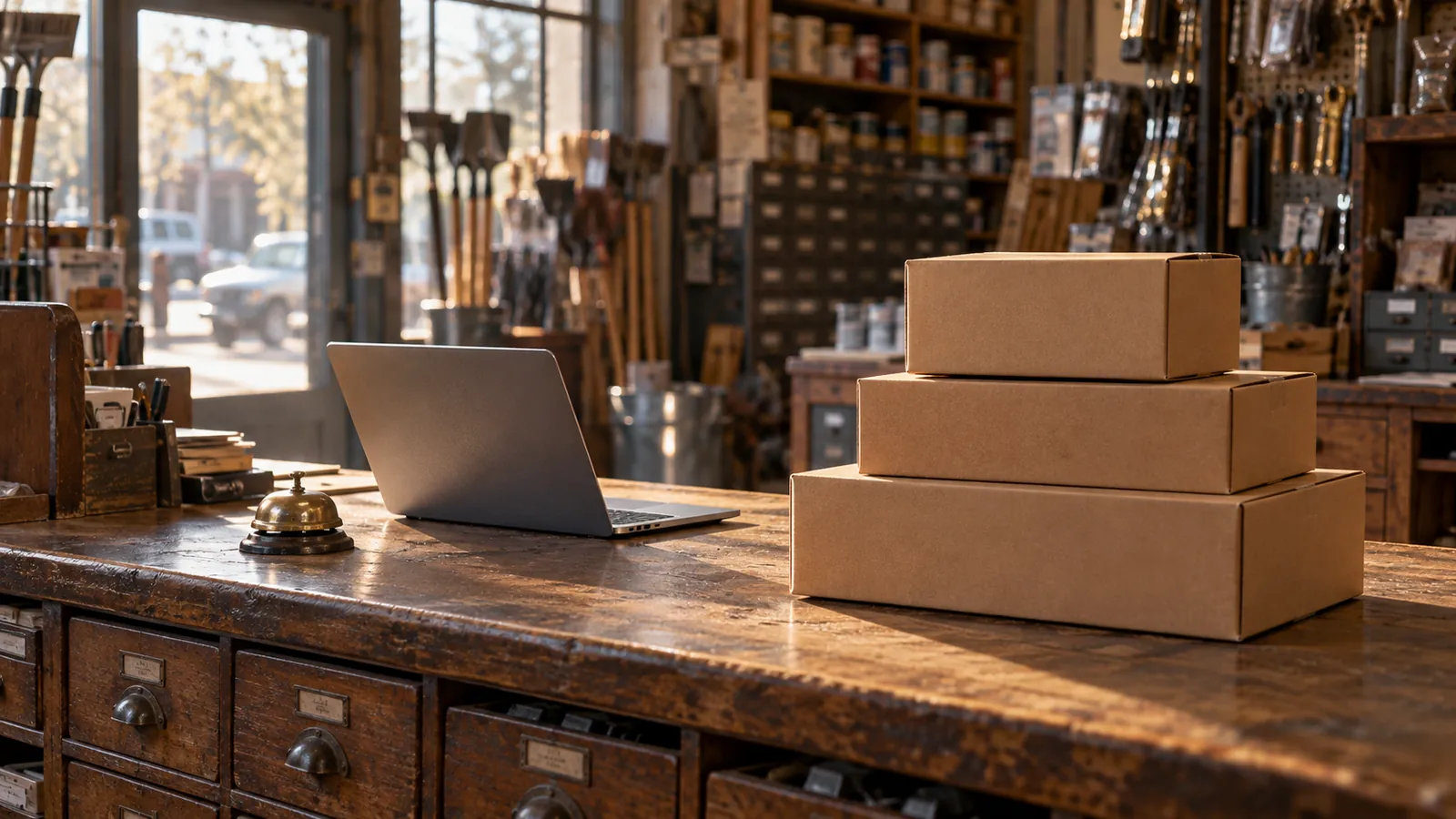
For years, a lot of American businesses treated online sales as optional: distributors had their reps, manufacturers had their dealers, local shops had their regulars, and the website was a brochure. That approach is running out of road. Buyers now research, compare and often order online before they ever call anyone, and that applies to businesses as much as consumers.
Key takeaways
- US manufacturing and wholesale sales are barely growing, but the online share of B2B sales keeps rising.
- Staying offline makes you invisible at the start of the search and leaves slow stock with nowhere to go.
- You do not need a big website project. Start with proven products, one marketplace and one owned channel.
- Online channels are also one of the best ways to recover cash from aged, discontinued or surplus inventory.
The numbers behind the shift
Total US manufacturing and wholesale sales grew just 0.4% in 2025, according to Digital Commerce 360. The market is barely growing overall, but the online share of it is. US B2B ecommerce site sales reached about $2.3 trillion in 2024, up 10.5% from the year before, and are projected to pass $3 trillion by 2028.
In plain terms: the pie is not getting much bigger, but the online slice is. If you are not selling online, the customers moving to that slice are moving away from you.

What staying offline actually costs
- You are invisible at the start of the search. Most buyers start with a search engine or a marketplace. If you are not there, you are not on the shortlist.
- Your sales depend on a few people. When a rep retires or a big account leaves, revenue goes with them.
- Slow stock stays slow. Without online channels, inventory that does not sell locally has nowhere else to go.
- You lose price discovery. Online sales show you what products are really worth, nationally, in real time.
Selling online does not mean becoming a tech company
The fear for many owners is that going online means a big website project, a new team and a year of work. It does not have to.
A realistic path looks like this:
- Start with what already sells. Pick 20 to 50 products with steady demand and good margins. Do not try to put your whole catalog online in one go.
- Choose one marketplace and one owned channel. For example, eBay or Amazon for reach, plus a simple store on your own site for repeat customers. Our overview of online and offline platforms for selling used items compares the common options.
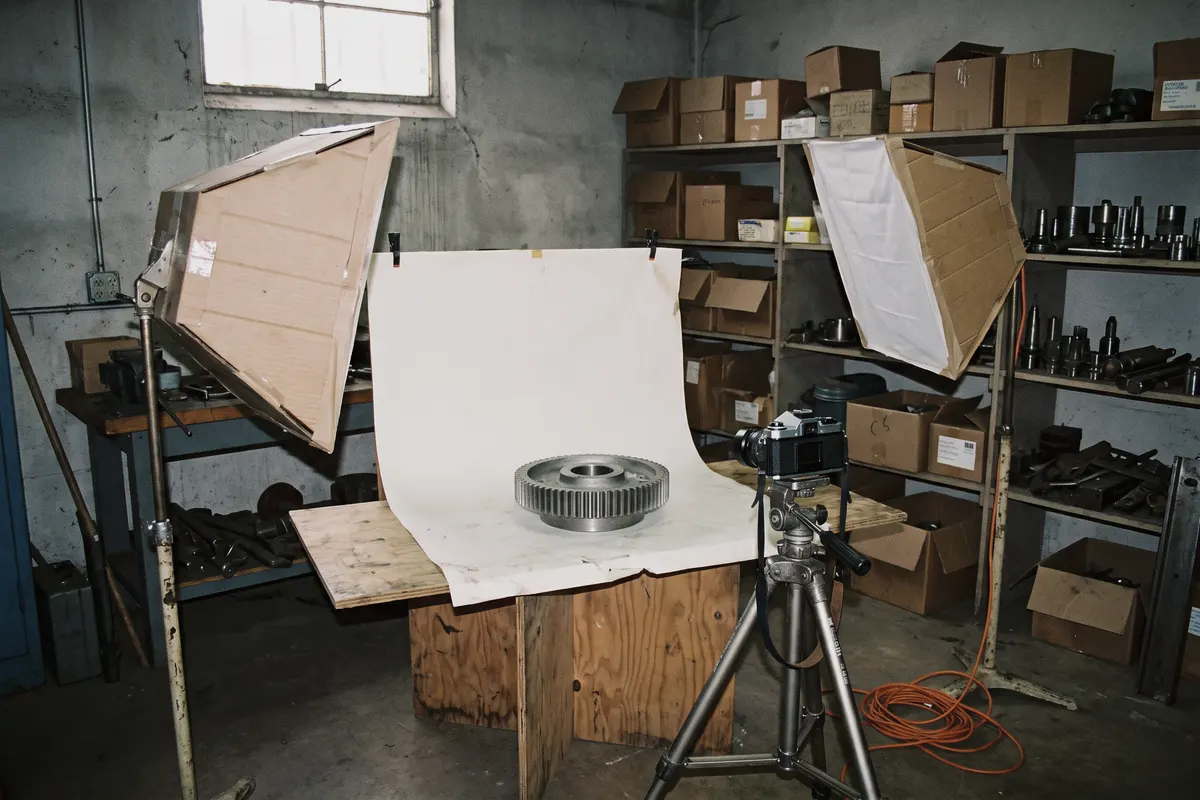
- Get the product data right. Clear photos, accurate specs, part numbers, condition and dimensions. Good data sells more than a fancy website.
- Decide how you will ship. Packaging, carriers and cut-off times need to be settled before the first order, not after.
- Set a weekly review. Look at sales, returns, questions and stock levels. Adjust prices and listings based on what you see.
- Add channels when the first ones run smoothly. Growth should follow process, not the other way around.
Use online channels for inventory, not just new sales
Online selling is not only about growth. It is also one of the best ways to recover cash from inventory you already own: aged stock, discontinued lines, customer returns, spare parts and surplus equipment.
A national marketplace can find the one buyer in Ohio who needs the part that has sat on your shelf in California for three years. That is something no local channel can do.
When to do it yourself and when to get help
Some businesses build an online operation in-house. Others prefer not to: they would rather focus on their core customers and hand off the photography, listing, pricing and shipping of slow or surplus stock, for example by selling it to a buyer that runs its own resale channels.
A few questions help you decide which route fits:
- Do you have someone who can own it? Online channels need daily attention: answering questions, shipping on time and updating stock. If nobody has that time, start smaller or hand it off.
- Is the inventory steady or one-time? Products you restock every month justify building listings and processes. A one-time pile of surplus usually does not.
- How fast do you need the cash or the space? Listing item by item recovers value over months. Selling a lot in one transaction recovers it now.
Both are valid. The wrong answer is doing nothing and letting inventory and customers drift away.
The bottom line
Online sales are where buyers start, where prices are set and where surplus inventory finds a home. You do not need to transform your business overnight, but you do need a first step. Start small, get the data right and build from there.
Selling surplus inventory to Nevra
Not ready to list everything yourself? Nevra buys surplus, closeout and returned inventory and sells it through its own e-commerce operation, so you get paid now. See how it works.
Frequently asked questions
Is it too late to start selling online?
No. Most of B2B commerce still happens offline, and the online share is still growing. Starting now still puts you ahead of many competitors.
What is the cheapest way to start selling online?
List a small set of proven products on one established marketplace. You avoid building a site from scratch and learn quickly what sells.
Do B2B buyers really buy online?
Yes. B2B ecommerce site sales in the US were around $2.3 trillion in 2024 and are still growing by double digits.
What should I sell online first?
Products with steady demand, good margins and easy shipping. Surplus and slow-moving stock are also good candidates because online reach finds buyers local channels cannot.
Sources: Digital Commerce 360, US B2B sales 2025; Elogic, B2B ecommerce statistics (eMarketer data).
Have inventory to sell?
Our purchasing team reviews excess, closeout and returned inventory from businesses across the US.
Sell your inventoryMore articles
 Sustainable operations
Why Delivery Speed Is a Competitive Advantage (and Why Reliability Matters More)
Shoppers compare delivery as closely as price. What fast shipping means in 2026, why reliable promises beat raw speed, and how small sellers keep up.
Read article Selling surplus
How Small American Brands Compete With Big Companies
Big-box retailers win on scale. Small American brands win on speed, focus and trust. A practical playbook for competing without matching their budget.
Read article Selling surplus
How to Protect Your Brand on Amazon (Including Where Your Excess Inventory Ends Up)
Unauthorized sellers, price erosion and liquidated stock can quietly damage your brand on Amazon. A practical guide to protecting brand trust and value.
Read article