
Why Delivery Speed Is a Competitive Advantage (and Why Reliability Matters More)
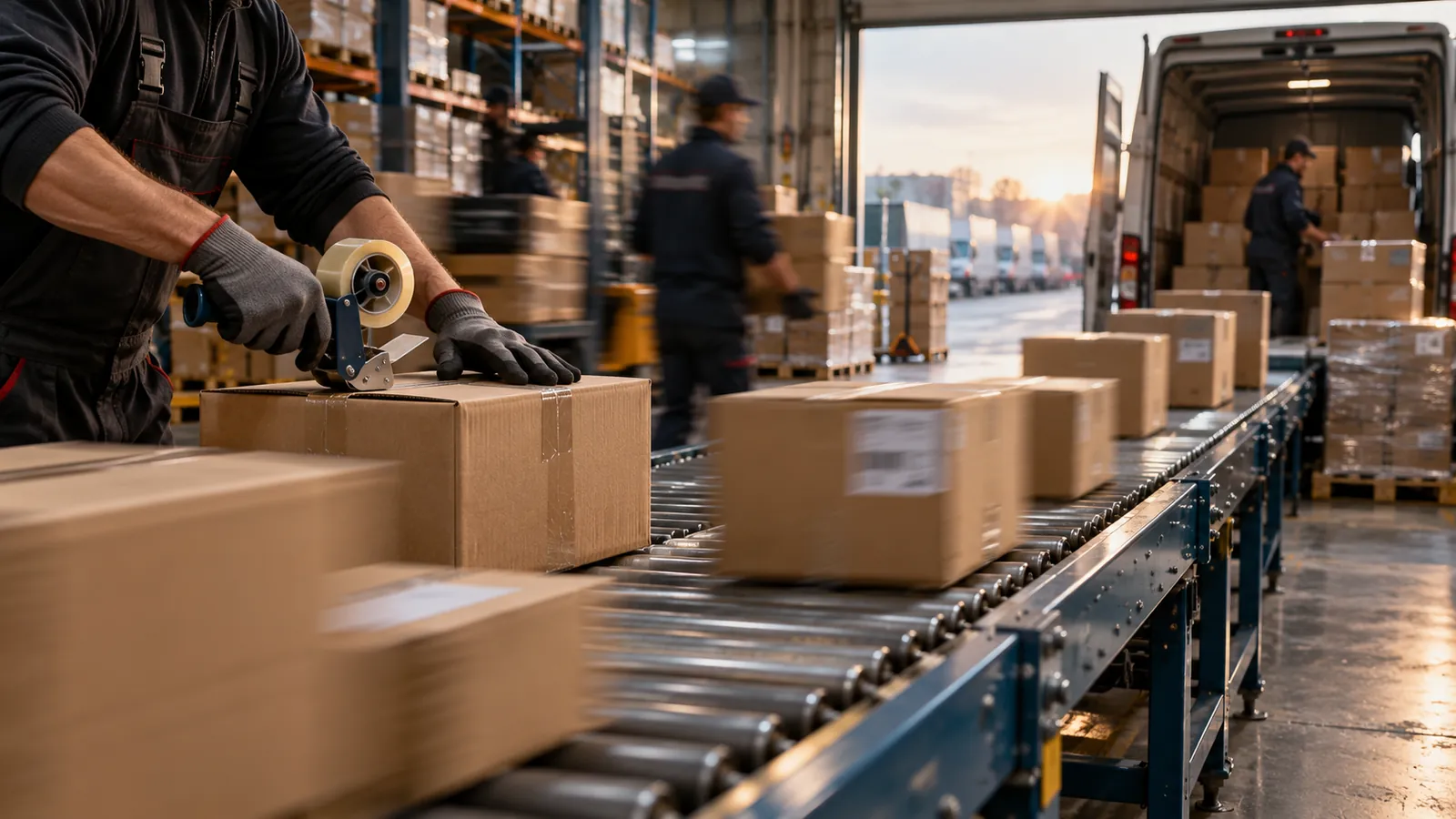
Shoppers rarely compare just the price anymore; they compare the price and the delivery date shown right under it, and for many online sellers that line of text decides more sales than the product photos. But "fast" has a more specific meaning than most sellers think. The winners are not always the ones who ship fastest: they are the ones who make a clear promise and keep it.
Key takeaways
- Free shipping and predictable delivery dates matter as much as raw speed for many shoppers.
- Most of the wait happens inside your operation, between the order and the carrier hand-off, which is the part you control.
- Set handling times that reflect reality. Missed promises hurt seller metrics, search placement and reviews.
- Clearing slow stock and returns off your shelves is one of the most direct ways to speed up fulfillment.
What customers actually expect
Recent research paints a more nuanced picture than "everyone wants same-day." In Ryder's 2025 E-commerce Consumer Study, 76% of consumers said free shipping plays the biggest role in where they buy online, up from 64% in 2023. Meanwhile, the share who often buy a product specifically because same-day delivery is available fell to 11%. Nearly a third said a scheduled delivery matters more to them than fast shipping.
The takeaway: speed matters, but cost and predictability matter just as much. A reliable three-day delivery with free shipping often beats an uncertain next-day option with a fee.
Where speed really comes from
Most of the time a customer waits is not in the truck. It is inside your operation, between the order and the hand-off to the carrier. That is the part you control.
- Order to pick: Is the item where your system says it is? Clear bin locations and accurate inventory counts save hours.
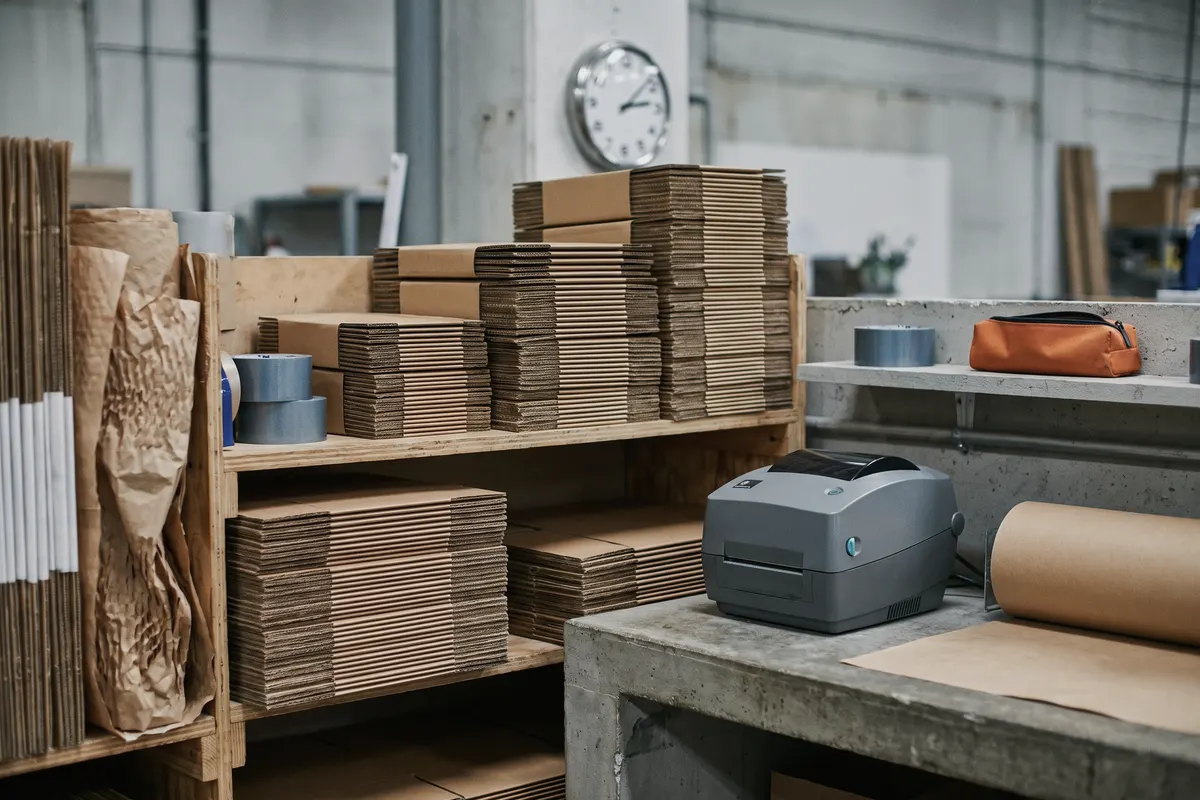
- Pick to pack: Are boxes, padding and labels ready at the station, or does someone go looking?
- Pack to ship: Do you know your carriers' cut-off times and work back from them?
- Exceptions: What happens to an order with a missing part, a wrong address or an item that failed a final check?
A small seller who ships the same day before a 2 pm cut-off, every day, often looks faster to customers than a big one with a longer handling window.
Accurate promises build trust
Marketplaces reward sellers who ship on time and deliver within the promised window. Late shipments hurt seller metrics, search placement and reviews.
That means your handling time should reflect reality, not hope. If you can ship in one business day 98% of the time, promise one day. If certain items need extra testing or freight booking, set a longer handling time for those items only, rather than slowing down your whole catalog.
When something does go wrong, tell the customer before they have to ask. A short message with the reason and a new date keeps most buyers patient. Silence turns a one-day delay into a complaint, a cancellation or a negative review, and those cost more than the delay itself.
Speed for B2B and industrial buyers
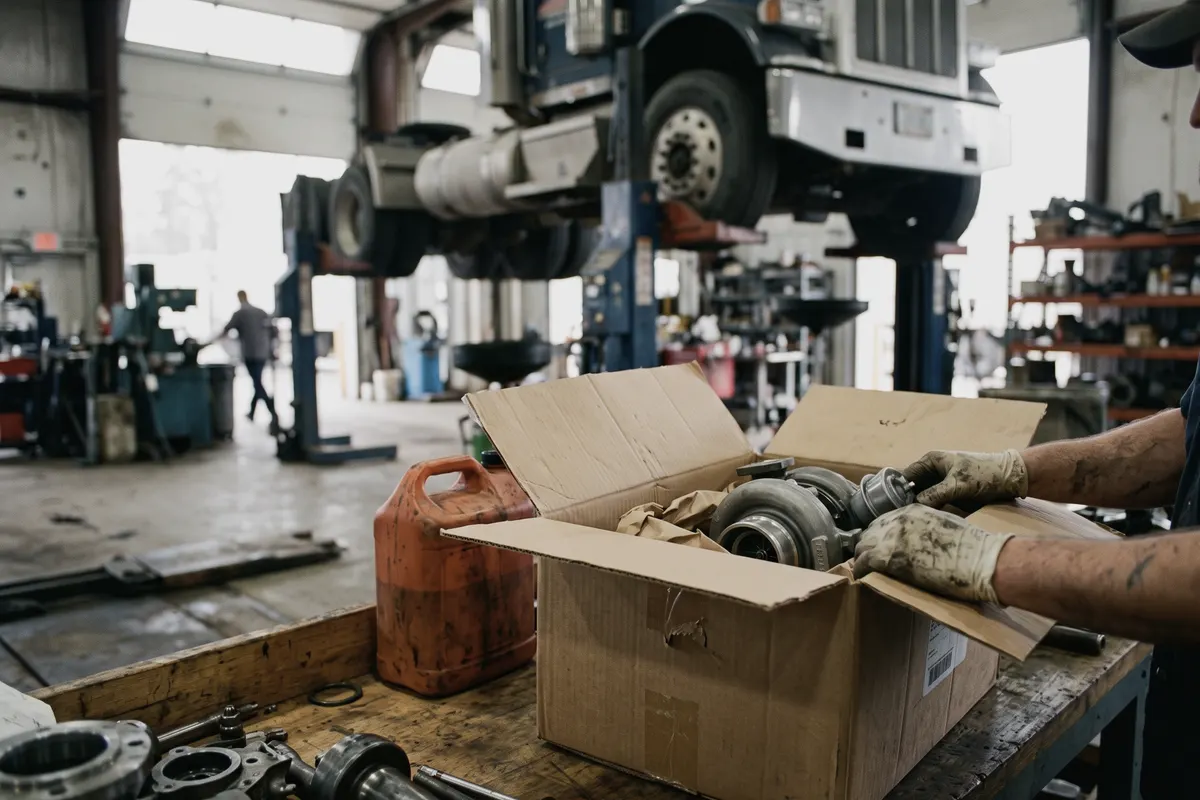
For business buyers, delivery speed is often about downtime. A repair shop waiting on a part or a lab waiting on a replacement component loses money every hour. These buyers will often pay more for a seller who confirms stock, ships the same day and provides tracking right away.
For heavy items, speed means booking freight quickly and communicating the delivery window clearly, not promising a date the carrier cannot meet.
Practical ways small sellers keep up
- Set one daily cut-off time and build your packing schedule around it.
- Keep fast movers close to the packing station and slow stock further away.
- Standardize packaging for your most common sizes so packers never improvise (and reuse shipping supplies where it does not slow the line).
- Print labels in batches instead of one by one.
- Use two carriers so a delay with one does not stop everything.
- Send tracking automatically the moment a label is created.
- Track your on-time ship rate weekly, not just total orders.
None of this requires a new warehouse. It requires a clear process that everyone follows.
Don't let slow inventory slow down the fast
Cluttered shelves slow down every pick. Aged stock, returns waiting for a decision and discontinued items take up space next to your best sellers. Clearing that inventory is one of the most direct ways to speed up fulfillment, because it gives your team room to work and keeps the fast movers within reach. Selling it to a buyer that handles pickup and resale takes the decision off your team's plate.
The bottom line
Delivery is part of the product. Customers want a clear, honest date and low or free shipping more than a record-breaking speed. Fix the time inside your own walls, promise what you can deliver and keep the shelves clear for what sells.
Clearing shelf space with Nevra
Shelves full of returns and slow stock? Nevra buys excess and returned inventory and arranges pickup, so your team can focus on the orders that matter. Sell your inventory.
Frequently asked questions
Does fast shipping increase sales?
Delivery speed influences conversions, but free shipping and reliable delivery dates matter as much or more for many shoppers.
What is a good handling time for an online store?
One business day is a strong standard for in-stock items. Promise only what you can hit consistently.
How can a small business compete with Amazon's shipping?
Ship the same day before a fixed cut-off, offer clear delivery dates, and send tracking immediately. Reliability builds loyalty.
Do B2B buyers care about delivery speed?
Yes, especially when equipment or vehicles are down. Confirmed stock and same-day dispatch are strong selling points.
Sources: Modern Distribution Management on Ryder's 2025 E-commerce Consumer Study.
Have inventory to sell?
Our purchasing team reviews excess, closeout and returned inventory from businesses across the US.
Sell your inventoryMore articles
 Inventory economics
Selling Online Is No Longer Optional: A Practical Guide for Traditional Businesses
Buyers research and order online, even in B2B. What traditional US businesses risk by staying offline, and a realistic way to start selling online.
Read article Selling surplus
How Small American Brands Compete With Big Companies
Big-box retailers win on scale. Small American brands win on speed, focus and trust. A practical playbook for competing without matching their budget.
Read article Selling surplus
How to Protect Your Brand on Amazon (Including Where Your Excess Inventory Ends Up)
Unauthorized sellers, price erosion and liquidated stock can quietly damage your brand on Amazon. A practical guide to protecting brand trust and value.
Read article