
How to Sell Overstock and Surplus Inventory: A Practical Guide for Businesses
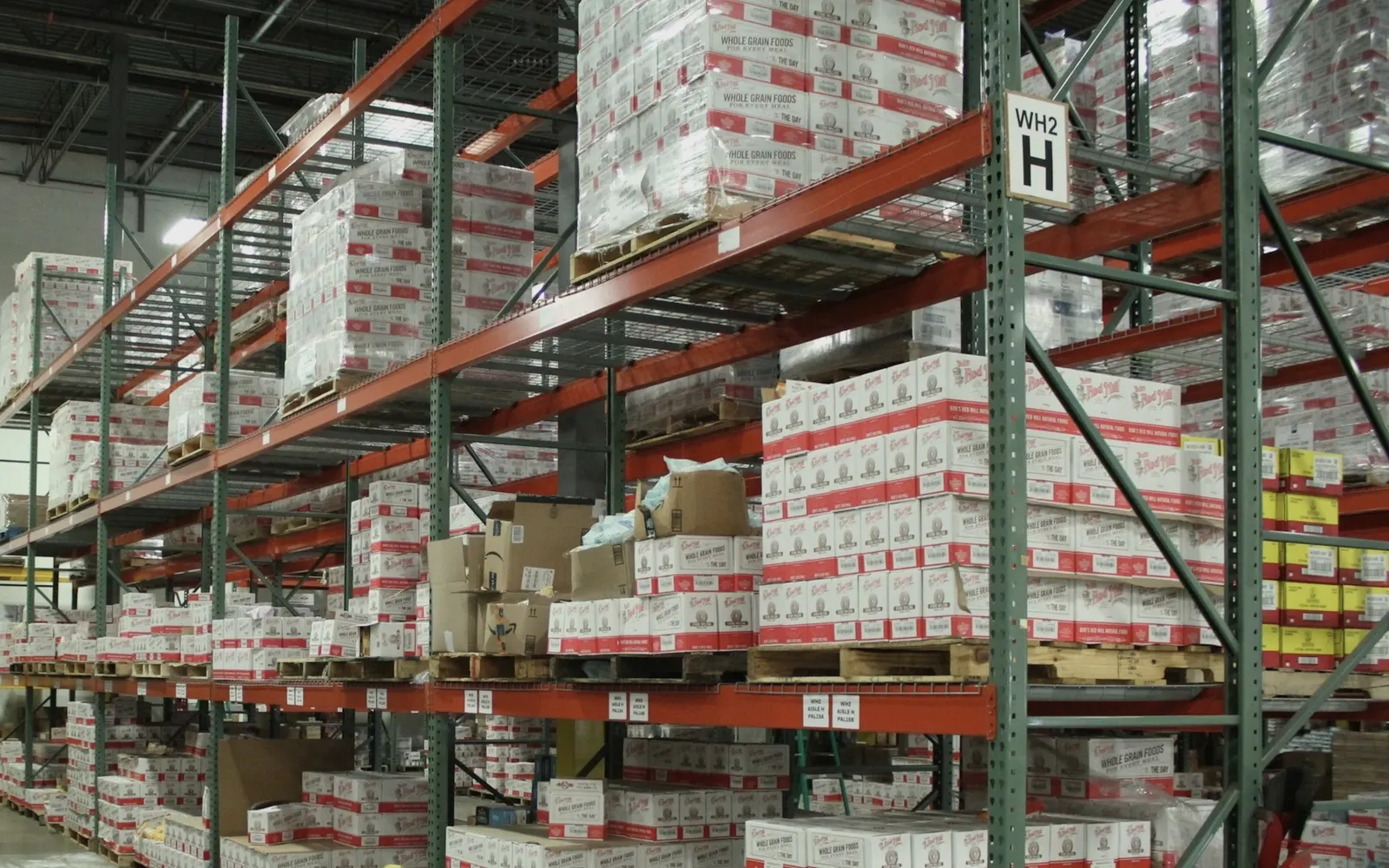
If you are figuring out how to sell overstock inventory, you have five realistic options: discount it on your own channels, send it to a liquidation auction, hand it to a broker, list it on marketplaces yourself, or sell the whole lot to a direct buyer. The right choice depends on how much cash you need back, how fast you need the space, and how much labor your team can spare. This guide walks through each route, how to prepare a lot so you get serious offers, and how buyers actually price surplus.
Key takeaways
- Every exit route trades off three things: recovery (how much you get back), speed, and the labor it takes from your team.
- A clean manifest with SKUs, quantities, condition and location is the single biggest factor in getting fast, firm offers.
- Buyers price surplus on resale value minus their costs and risk, so condition, brand and category depth matter more than your original cost.
- Surplus loses value every month it sits. Deciding early usually beats waiting for a better price.
What are the options for selling excess inventory?
Most businesses end up choosing one of these five paths, or a mix of them.
1. Discount it on your own channels
Markdowns, bundles and "last chance" promotions to your existing customers keep margin in-house and protect the relationship. This works well for a few hundred units of a product that still sells. It works poorly for thousands of units, dead categories, or anything that would cannibalize full-price sales of current products.
2. Liquidation auctions
Auction platforms and local auction houses sell your goods to the highest bidder. You get market-driven pricing and a wide buyer pool, but you also take on platform fees, uncertain results and buyer pickup logistics. We cover the tradeoffs in detail in liquidation auctions vs. direct inventory buyers.
3. Brokers
A broker markets your lot to their buyer network and takes a commission. Good brokers know who buys what, which can help with specialized goods. The downside is an extra layer between you and the buyer, which can mean slower decisions and less clarity on who ends up with your product.
4. Marketplaces (Amazon, eBay, Walmart and others)
Listing the goods yourself usually gets the highest per-unit price, but it is also the most labor. Someone has to photograph, list, answer questions, pack, ship and handle returns, and marketplace fees come out of every sale. For a full breakdown by channel, see where to sell surplus and used inventory.
5. Direct inventory buyers
A direct buyer purchases the whole lot at an agreed price and handles removal. You give up some per-unit value in exchange for speed, certainty and almost no labor. This is the most common route for large quantities of excess inventory, mixed returns or discontinued lines.
How do the options compare?
| Option | Typical recovery | Speed | Effort for your team | Main risk |
|---|---|---|---|---|
| Discount on own channels | High per unit | Slow to medium | Medium | Brand dilution, slow sell-through |
| Liquidation auction | Variable | Medium | Medium | Low bids, fees, no-show buyers |
| Broker | Medium | Medium | Low to medium | Commission, less control |
| Marketplaces | Highest per unit | Slow | High | Fees, returns, account health |
| Direct buyer | Lower per unit, full lot | Fast | Low | Leaving some value on the table |
There is no single winner. Many sellers split a lot: they keep the fast movers for their own channels and sell the rest to a buyer in one transaction.
How do I prepare a surplus lot to sell?
Buyers move fastest on lots they can understand without a site visit. Before you reach out to anyone, pull together the following.
Build a manifest
A manifest is a spreadsheet listing every item in the lot. At minimum it should include:
- SKU, UPC or model number
- Product description and brand
- Quantity
- Original retail or wholesale price (if known)
- Condition code (new, open box, customer return, damaged)
Even a rough manifest beats none. If you only have pallet counts, say so and estimate the mix.
Take clear photos
Photograph the lot as it sits: full pallets, a few opened cases, labels, and any damage. Buyers want to see packaging condition and how the goods are stored, not polished product shots.
Be honest about condition
Mixed condition is normal, especially with customer returns. What causes problems is condition that turns out worse than described. Accurate grading up front leads to firmer offers and fewer renegotiations at pickup.
Note location and logistics
Include the address, whether there is a loading dock, forklift availability, pallet count and any pickup windows. A lot on a dock in a commercial warehouse is easier (and worth more to a buyer) than the same goods scattered in a storage unit.
How are offers on overstock valued?
Serious buyers work backward from what they can resell the goods for. A simplified version of the math:
- Estimate realistic resale price per unit on their channels.
- Subtract selling fees, shipping, labor and expected returns.
- Subtract freight to their warehouse and handling.
- Discount for risk: unknown condition, slow-moving categories, or thin demand.
- Leave room for margin.
That is why two lots with the same original cost can get very different offers. Factors that usually help:
- Recognizable brands and current models
- New, sealed packaging
- Deep quantities of fewer SKUs
- A clear manifest and easy pickup
Factors that usually hurt: heavy or oversized items, expired or date-sensitive goods, heavy damage, and categories with restrictions on major marketplaces.
When is the best time to sell surplus inventory?
Usually sooner than you think. Seasonal goods lose value fast once the season passes, electronics lose value as new models launch, and every month in storage adds carrying cost. Carrying costs (capital, storage, insurance, shrinkage and lost value) keep adding up the whole time.
Good times to act:
- Right after a season ends, before the next one's inventory arrives
- When a product is discontinued or replaced by a new version
- Before a warehouse move, lease renewal or year-end count
- When sell-through on a SKU has stalled for two or more months
Frequently asked questions
What is the fastest way to sell overstock inventory?
Selling the full lot to a direct inventory buyer is usually fastest because there is one negotiation, one payment and one pickup. Auctions and marketplace listings take longer because sales happen unit by unit or depend on bidder schedules.
Do I need a manifest to sell surplus inventory?
Not always, but it helps a lot. Buyers can make firmer offers faster when they know what is in the lot. Without one, expect lower offers or a request for a site visit.
Can I sell a mixed lot of new, returned and damaged goods?
Yes. Many buyers purchase mixed-condition lots, including closeout inventory and returns. Grade the goods as accurately as you can and separate clearly damaged items if possible.
Selling inventory to Nevra
Nevra buys overstock, closeouts, returns, discontinued and industrial surplus from manufacturers, distributors, retailers and warehouses, then resells through our own Amazon, eBay, Walmart and direct B2B channels. Because we sell the goods ourselves, we can evaluate a manifest based on real resale data. If you have a lot to move, see how it works or sell your inventory to send us the details.
Have inventory to sell?
Our purchasing team reviews excess, closeout and returned inventory from businesses across the US.
Sell your inventoryMore articles
 Inventory economics
Selling Online Is No Longer Optional: A Practical Guide for Traditional Businesses
Buyers research and order online, even in B2B. What traditional US businesses risk by staying offline, and a realistic way to start selling online.
Read article Sustainable operations
Why Delivery Speed Is a Competitive Advantage (and Why Reliability Matters More)
Shoppers compare delivery as closely as price. What fast shipping means in 2026, why reliable promises beat raw speed, and how small sellers keep up.
Read article Selling surplus
How Small American Brands Compete With Big Companies
Big-box retailers win on scale. Small American brands win on speed, focus and trust. A practical playbook for competing without matching their budget.
Read article