
How to Protect Your Brand on Amazon (Including Where Your Excess Inventory Ends Up)
For many American brands, Amazon is the biggest storefront they have and the one they control the least. Third-party sellers accounted for 61% of paid units sold on Amazon in the first quarter of 2025, which means most of what shoppers buy there comes from someone other than Amazon itself. Some of those sellers are your partners; some you have never heard of.
Key takeaways
- Shoppers blame the brand, not the seller, for bad prices, weak listings and poor condition.
- Brand Registry, strong official content and written reseller agreements give you a basis to act.
- Amazon does not enforce your MAP policy, so monitoring and consistent follow-up are your job.
- Excess and returned inventory you sell off cheaply can come back onto your own listings. Ask where it will be resold before you sell.
When a shopper sees your product at three different prices, with stock photos, a vague description and a seller rating of 82%, they do not blame the seller. They blame the brand. Protecting brand value on Amazon is about controlling that experience as much as you can.
What actually damages a brand on Amazon
- Unauthorized resellers. Sellers who buy your product through side channels and list it without your permission. You lose control of price, condition and service.
- Price erosion. One seller undercuts, others follow, and the price your customers expect drops for good. Amazon does not enforce your minimum advertised price (MAP) policy for you.
- Counterfeits. Cheaper copies sold under your brand name, often with poor quality that ends up in your reviews.
- Bad listings. Wrong specs, weak photos and missing information on a shared product page make every seller on it look worse.
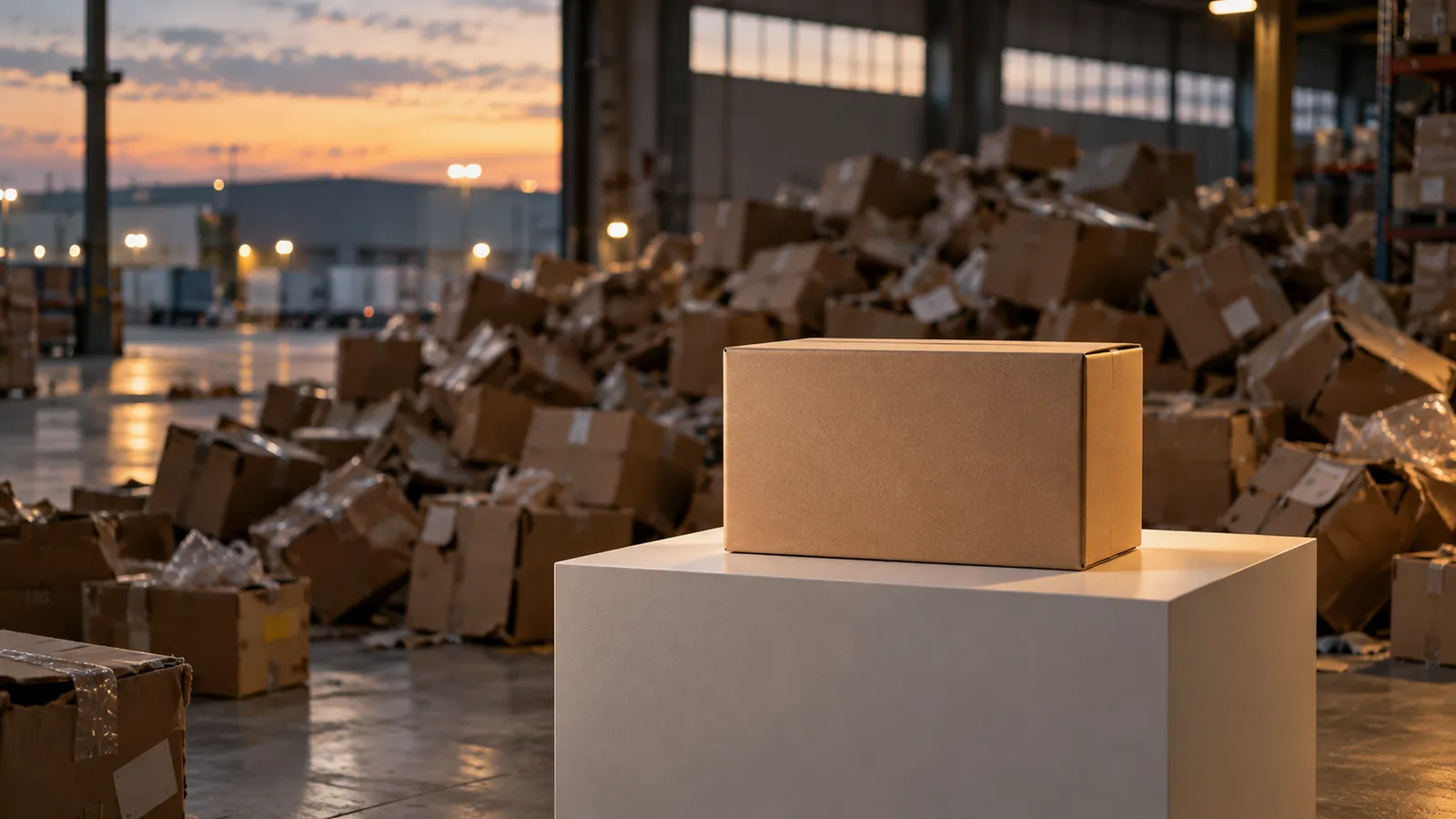
- Leaked excess inventory. Closeouts, returns and overstock you sold off cheaply reappear on your own listings at a fraction of your price.
The last one is the most overlooked, and the one brands cause themselves.

Register your brand and own the listing
If you have a registered or pending trademark, enroll in Amazon Brand Registry. It gives you more control over your product pages and access to tools for reporting IP violations and suspicious sellers.
Then invest in the listing itself. Use original photos, complete specifications, clear compatibility or sizing information and A+ content. The better your official content, the harder it is for a weak seller to set the tone.
Build an authorized reseller program
You cannot stop every unauthorized seller, but you can make it clear who is authorized. Put written reseller agreements in place that cover channels, pricing, condition standards and customer service. Publish a short list of authorized sellers so customers and Amazon can tell the difference.
A MAP policy belongs in those agreements. It will not stop every violation, but it gives you a basis to act when a partner breaks the rules.
Monitor, then act consistently
Set a routine: check your main ASINs weekly for new sellers, price drops and listing changes. When you find a problem, use Brand Registry's violation reporting, contact the seller if they are a known partner, and document everything.
Consistency matters more than intensity. A brand that responds to every violation within days sends a clearer signal than one that launches a big crackdown twice a year.
Control where your excess inventory goes
This is where many brands lose ground without realizing it. You sell a truckload of discontinued stock to the highest bidder, and two months later it shows up on your Amazon listing at 50% off, competing with your current line.
Before you sell excess or returned inventory, whether to an auction, a broker or one of the closeout inventory buyers you are comparing, ask the buyer directly:
- Which channels will this inventory be sold on?
- Will it be listed on my existing Amazon product pages?
- Can we agree on channel or geographic restrictions in writing?
- How will returned or open-box units be described and graded?
- Will my brand name and photos be used, and how?
A buyer who can answer clearly is one you can work with. A buyer who cannot is a risk to your pricing.
Other options include removing branding before liquidation, selling through channels that do not overlap with your core customers, or selling closeouts as mixed lots rather than full cases of one SKU.
Treat customer returns as a brand issue
Returns that are resold as "new" or described poorly lead straight to bad reviews. If returns leave your hands, make sure they are graded honestly and sold under an accurate condition. Open-box and refurbished units can sell well when buyers know exactly what they are getting. If you work with customer return buyers, ask how they grade and describe each condition.
Protect trust off Amazon too
Your own website, customer service and social channels are where shoppers go to check whether a seller is legitimate. Make it easy for them: list authorized retailers, explain your warranty and tell customers how to verify genuine products.
The bottom line
Brand value on Amazon is built listing by listing and protected decision by decision. Register your brand, control your official content, enforce your reseller rules, and above all, know where your excess inventory is going before you sell it.
Clearing closeouts and returns with Nevra
Need to clear closeouts or returns? Talk to Nevra's purchasing team about your inventory and how we resell it, so you can make an informed decision. Talk to our purchasing team.
Frequently asked questions
Does Amazon enforce MAP pricing?
No. MAP is an agreement between a brand and its resellers. Amazon will not enforce it for you, so you need your own agreements and monitoring.
Can I stop unauthorized sellers on Amazon?
You can reduce them. Brand Registry, written reseller agreements and consistent reporting are the main tools. Reselling genuine products is not always a violation by itself.
How does liquidation affect my Amazon pricing?
Liquidated stock often returns to marketplaces at deep discounts. Ask buyers where they will sell it and put channel restrictions in writing.
Should I sell customer returns at all?
Yes, if they are graded and described honestly. Mislabeled returns create bad reviews that hurt your main listing.
Sources: Nasdaq / Zacks, Amazon third-party seller share, Q1 2025; Digital Commerce 360, MAP and Brand Registry.
Have inventory to sell?
Our purchasing team reviews excess, closeout and returned inventory from businesses across the US.
Sell your inventoryMore articles
 Inventory economics
Selling Online Is No Longer Optional: A Practical Guide for Traditional Businesses
Buyers research and order online, even in B2B. What traditional US businesses risk by staying offline, and a realistic way to start selling online.
Read article Sustainable operations
Why Delivery Speed Is a Competitive Advantage (and Why Reliability Matters More)
Shoppers compare delivery as closely as price. What fast shipping means in 2026, why reliable promises beat raw speed, and how small sellers keep up.
Read article Selling surplus
How Small American Brands Compete With Big Companies
Big-box retailers win on scale. Small American brands win on speed, focus and trust. A practical playbook for competing without matching their budget.
Read article