
How Reselling Surplus and Returned Goods Supports a Circular Economy
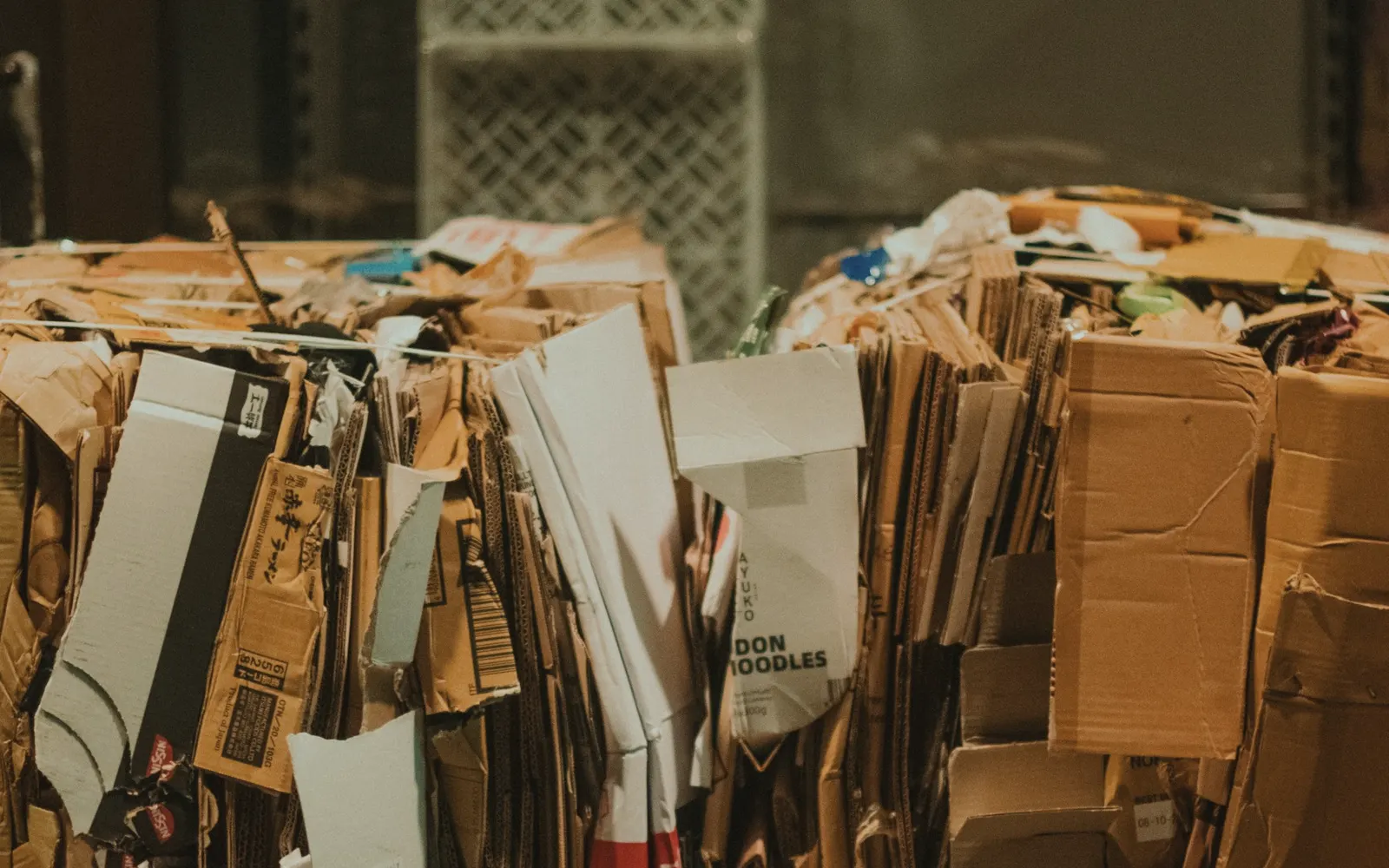
Reselling surplus and returned goods supports a circular economy by keeping finished products in use instead of sending them to landfill or replacing them with newly manufactured units. For a business, circular economy inventory practice mostly comes down to one decision: when stock is no longer needed, does it go back into the market or into a dumpster? This article explains why that choice matters, where the environmental benefit actually comes from, and how to talk about it accurately.
Key takeaways
- A circular economy keeps products and materials in use for as long as possible; resale is one of the most direct ways to do that.
- The biggest benefit of reselling surplus is avoided production: every resold unit is one that may not need to be made new.
- Returns and overstock are often fully functional and can be resold rather than scrapped.
- If you report on sustainability, describe what you actually did (units diverted, channels used) instead of estimating impacts you cannot verify.
What is a circular economy, in plain terms?
A linear economy follows a simple path: make, sell, use, discard. A circular economy tries to close that loop so products and materials keep circulating.
In practice, that means favoring these options, roughly in this order:
- Use products longer (maintain and repair them).
- Reuse and resell products that one owner no longer needs.
- Refurbish or remanufacture items that need work.
- Recycle materials when the product itself is no longer usable.
Resale sits near the top because the product stays whole. Recycling recovers some materials, but the energy and labor that went into making the finished item are lost. Our guide to sustainable inventory management walks through this hierarchy step by step for warehouse teams.
How does reselling surplus inventory help the environment?
The original version of this article listed ten separate benefits. Most of them come from the same few mechanisms.
It extends product life
A sealed overstock unit or a working customer return has already been manufactured, packaged and shipped. Reselling it lets that product do the job it was built for. Disposing of it wastes everything that went into making it.
It reduces demand for new manufacturing
When a buyer gets what they need from surplus, they do not order a new unit. That avoided production is where most of the resource savings sit: raw material extraction, factory energy, water use, and the freight to move components and finished goods. The size of that saving varies widely by product, which is why it is better not to attach a single number to it.
It keeps usable goods out of landfill
Excess and returned stock that no one wants to deal with often ends up in the trash because disposal looks simpler. Resale diverts that stock. Electronics and electrical components matter most here, since they can contain materials that should not go to landfill.
It supports repair and maintenance
Discontinued parts sold through the secondary market let repair shops and facility teams keep existing equipment running. Without them, a whole machine might be replaced because one component is no longer made. That is circularity at the equipment level, not just the product level. (For more on the repair side, see why repairing broken items beats buying new.)
Which types of inventory can re-enter the market?
More than most companies assume. Here is a practical view:
| Inventory type | Typical condition | Circular route |
|---|---|---|
| Overstock | New, often sealed | Resale as new |
| Closeouts | New, end of line | Resale, often at a discount |
| Customer returns | Mixed: new, open-box, used, damaged | Test, grade, resell or refurbish |
| Discontinued stock | New or lightly used | Resale to repair and replacement buyers |
| Industrial surplus | New or used parts and equipment | Resale to facilities and repair shops |
| Damaged or incomplete units | Not sellable as is | Parts harvesting, then recycling |
Customer returns are the category where the most value gets thrown away. Many returns are simply unwanted, not defective, but sorting them takes time and space that retailers and brands may not have.
What do businesses gain besides the environmental benefit?
Circularity and cash recovery usually point the same way.
- Recovered value. Selling surplus turns idle stock into cash instead of a disposal cost.
- Freed warehouse space. Pallets that leave the building make room for inventory that sells at full price.
- Lower disposal costs. Hauling and landfill fees disappear for stock that gets resold.
- Cleaner operations. Fewer aging SKUs means simpler counts and fewer write-downs later.
If you are weighing how to move a specific batch, our hub guide on selling overstock and surplus inventory compares the main options.
How should companies describe resale in ESG or sustainability reporting?
Many companies now include waste and product lifecycle information in sustainability reports or customer questionnaires. Resale can belong there, but it pays to be careful.
Report what you can document
Stick to facts you control:
- Number of units or pallets sold for reuse rather than disposed of.
- Categories of goods diverted (for example, electrical components, returns, packaging).
- The route used: resale, donation, refurbishment or recycling.
- Documentation from the buyer confirming the stock was purchased for resale.
Avoid unsupported impact claims
Converting "units resold" into tons of carbon avoided requires product-level lifecycle data that most companies do not have. If you publish an estimate, state the method and assumptions clearly, or leave it out. Overstated green claims create more risk than they are worth.
Ask your buyer for records
A reputable inventory buyer can provide a bill of sale and an itemized list of what was purchased. That paper trail is usually enough to support an internal waste-diversion record.
Frequently asked questions
Does selling excess inventory count as a circular economy practice?
Yes, when the goods are resold for use rather than scrapped. Resale keeps finished products in circulation, which is one of the core goals of a circular economy.
Is recycling better than reselling?
Usually not. Recycling recovers materials but destroys the finished product. Reselling keeps the whole product in use, so it generally ranks higher. Recycling is the right choice for items that cannot be used or repaired.
Can I claim carbon savings from reselling surplus?
Only if you have a defensible method. Most businesses are better off reporting what they can verify, such as units diverted from disposal and how they were handled, rather than estimated emissions figures.
Selling inventory to Nevra
Nevra buys overstock, closeouts, returns, discontinued and industrial surplus from businesses and resells it through our own Amazon, eBay, Walmart and B2B channels, which puts that stock back into use. To have a batch reviewed, send your list through Sell your inventory.
Have inventory to sell?
Our purchasing team reviews excess, closeout and returned inventory from businesses across the US.
Sell your inventoryMore articles
 Inventory economics
Selling Online Is No Longer Optional: A Practical Guide for Traditional Businesses
Buyers research and order online, even in B2B. What traditional US businesses risk by staying offline, and a realistic way to start selling online.
Read article Sustainable operations
Why Delivery Speed Is a Competitive Advantage (and Why Reliability Matters More)
Shoppers compare delivery as closely as price. What fast shipping means in 2026, why reliable promises beat raw speed, and how small sellers keep up.
Read article Selling surplus
How Small American Brands Compete With Big Companies
Big-box retailers win on scale. Small American brands win on speed, focus and trust. A practical playbook for competing without matching their budget.
Read article