
How to Sell Industrial Equipment, Truck Parts and Lab Gear Online
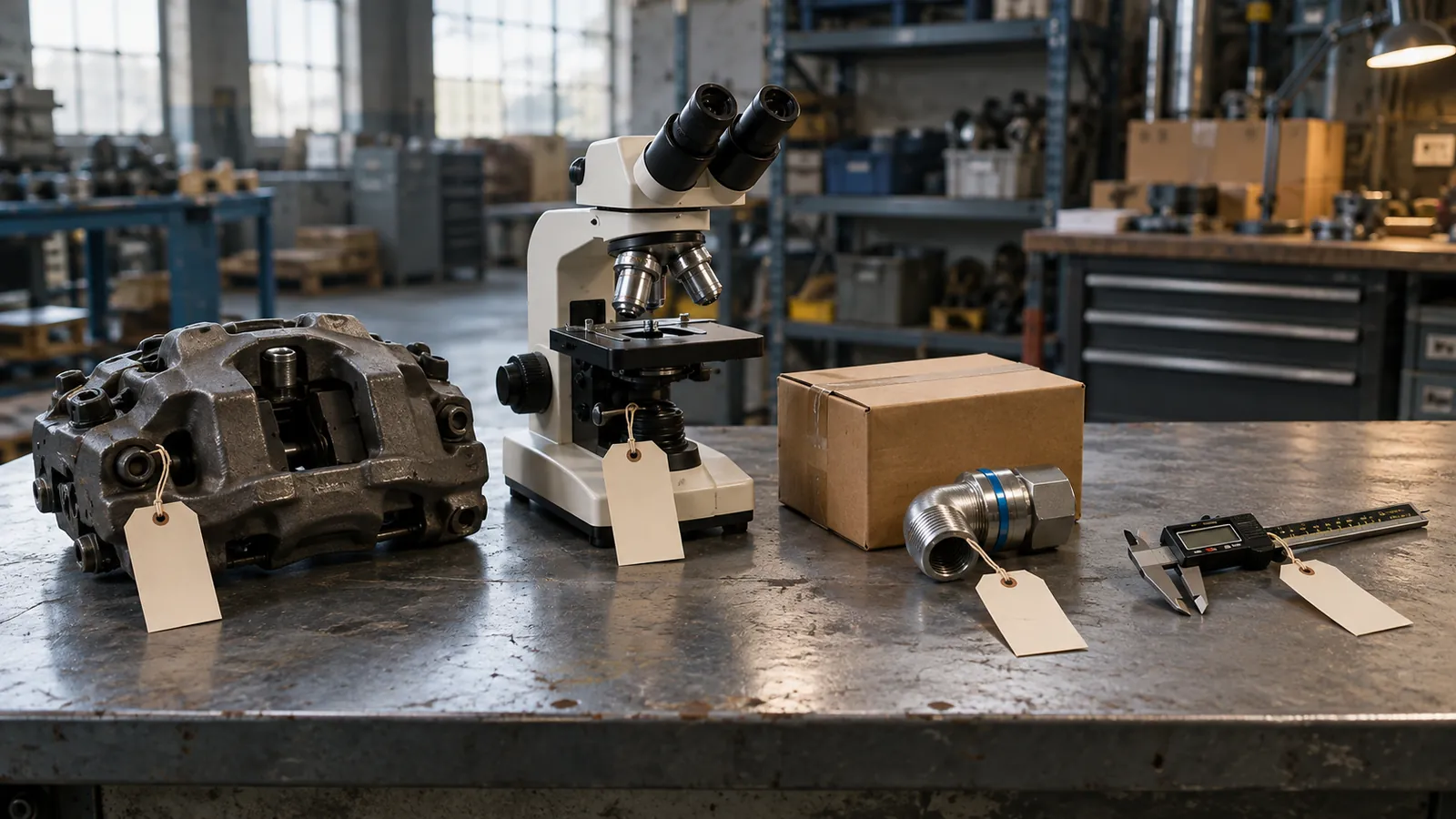
There is an old assumption that technical products do not sell online: a brake caliper for a Class 8 truck, a replacement PLC module, a used inverted microscope or a box of lab glassware surely needs a sales rep, a catalog and a phone call. Not anymore. Buyers of industrial and technical products have moved online quickly, and they often know what they need down to the part number.
Key takeaways
- Part numbers are the best keyword there is. If your listing has the exact model or OEM number, the right buyer finds you.
- Technical buyers check fit and function, so listings need specs, nameplate photos and honest condition grades.
- Price from recent sold prices, not asking prices, then adjust for condition, accessories and testing.
- Plan shipping before you list. Inaccurate freight costs are the most common reason industrial orders get cancelled.
In a 2025 survey of industrial supplies buyers by Channel Marketing Group and BigCommerce, 65% had already made an online purchase that year, up from 45% in 2018. These buyers know what they need and they want to find it fast.
Why industrial products work well online
- Buyers search by part number. A precise model or OEM number is the best keyword there is. If your listing has it, the right buyer finds you.
- The buyer pool is national. The one maintenance shop that needs a discontinued pump seal may be 2,000 miles away. Online reach finds them.
- Downtime is expensive. A buyer whose truck or line is down will pay a fair price for a part that ships today.
- Used and surplus have real demand. Labs, schools, startups and repair shops often prefer quality used equipment to new at full price.
What industrial buyers need from a listing
Technical buyers are not browsing. They are checking whether a product will work for them. Your listing has to answer their questions before they ask.
| Category | Must-have details |
|---|---|
| Truck and auto parts | OEM and aftermarket part numbers, cross-references, fitment (make, model, year, engine), new / used / reman condition |
| Machine and industrial parts | Manufacturer, model, series, voltage, pressure or load ratings, connection sizes, revision numbers |
| Lab and test equipment | Make, model, serial range, included accessories, power-on and function test results, calibration status |
| Microscopes and optics | Objectives and magnifications, illumination type, camera port, condition of optics, visible wear |
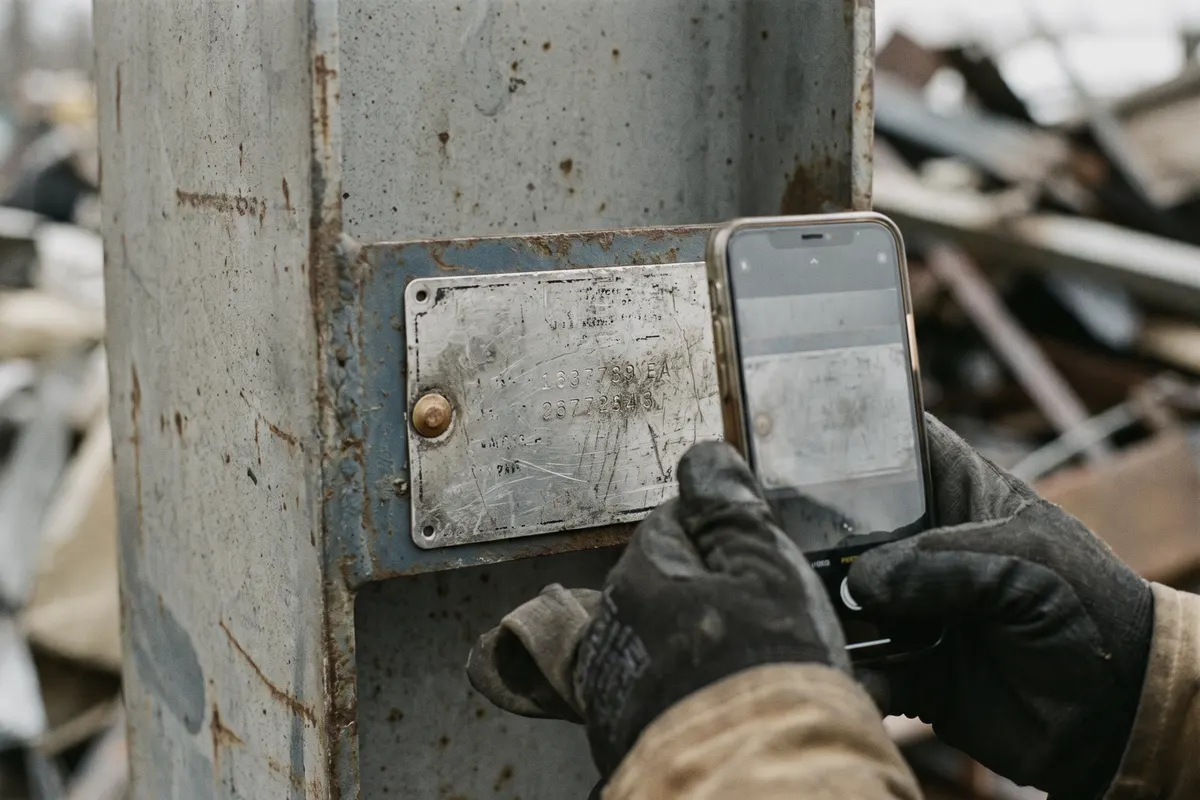
Photograph the nameplate, every label and every connection. A clear photo of a data plate does more selling than a paragraph of description.
Be honest about condition
Condition is where industrial listings win or lose trust. Use plain categories and stick to them:
- New / new old stock: never used, may have aged packaging
- Used, tested: powered on or function-tested, with notes on what was tested
- Used, untested: no testing done, sold as-is
- For parts / repair: known faults, described specifically
Describe cosmetic wear separately from function. A scratched housing on a working unit is a very different item from a clean unit that will not power on, and buyers need to know which one they are getting. If you did not test it, say so. Buyers of technical products accept "untested" when it is priced accordingly. They do not forgive surprises.
Pricing technical items
Start with sold prices, not asking prices. Look at what the same model actually sold for recently on major marketplaces, then adjust for condition, accessories and testing. For rare or specialist equipment, pricing slightly high and accepting offers often works better than guessing low.
Shipping heavy and fragile items
Industrial items are often heavy, oddly shaped or delicate. Plan shipping before you list:
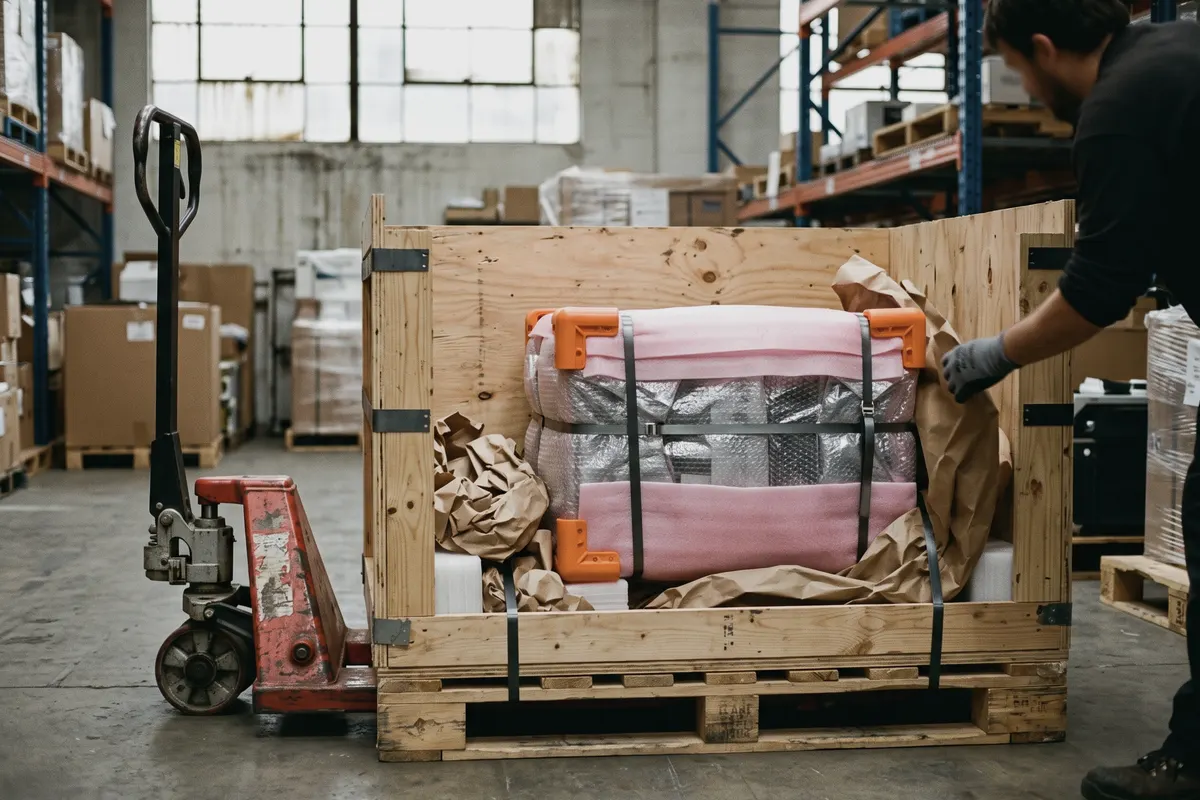
- Weigh and measure the packed item, not just the product.
- Use freight (LTL) for palletized equipment and state it clearly in the listing.
- Protect optics, sensors and connectors separately.
- Offer local pickup for very large machinery.
Accurate shipping costs prevent the most common reason for cancelled industrial orders.
Surplus is an asset, not clutter
Many companies have value sitting in storage: spare parts for retired machines, lab equipment from a finished project, inventory from a closed location. Listed properly, those items can turn into cash and end up with someone who will use them, instead of in a dumpster.
If you do not have the time or staff to photograph, research and ship hundreds of technical items, selling them in one lot to a buyer who does is often the faster route. For a closed location or a full warehouse, a business inventory liquidation can clear everything in one transaction, and you can send us a list of what you have to start.
The bottom line
Industrial e-commerce is here. Truck parts, machine spares, microscopes and lab gear sell online every day to buyers who know exactly what they want. Give them part numbers, honest condition and clear photos, and the national market will do the rest.
Selling industrial surplus to Nevra
Have surplus parts, test equipment or lab gear you want gone? Nevra buys industrial surplus and recovers its value through channels that reach technical buyers. Industrial surplus buyers.
Frequently asked questions
Can you sell industrial equipment on eBay?
Yes. eBay has an active Business & Industrial category, and it is a common channel for used parts, tools and test equipment.
What is the best way to sell used lab equipment?
List with make, model, included accessories and test results, or sell the full lot to a surplus buyer if you have many items.
How do I price used industrial parts?
Use recent sold prices for the same part number, then adjust for condition, testing and completeness.
Should I test equipment before selling?
If you can, yes. Tested items sell faster and for more. If you cannot, say "untested" clearly and price for it.
Sources: Digital Commerce 360, industrial B2B buyers 2025.
Have inventory to sell?
Our purchasing team reviews excess, closeout and returned inventory from businesses across the US.
Sell your inventoryMore articles
 Inventory economics
Selling Online Is No Longer Optional: A Practical Guide for Traditional Businesses
Buyers research and order online, even in B2B. What traditional US businesses risk by staying offline, and a realistic way to start selling online.
Read article Sustainable operations
Why Delivery Speed Is a Competitive Advantage (and Why Reliability Matters More)
Shoppers compare delivery as closely as price. What fast shipping means in 2026, why reliable promises beat raw speed, and how small sellers keep up.
Read article Selling surplus
How Small American Brands Compete With Big Companies
Big-box retailers win on scale. Small American brands win on speed, focus and trust. A practical playbook for competing without matching their budget.
Read article