
What Happens to Amazon Returns (and Why Brands Should Care)
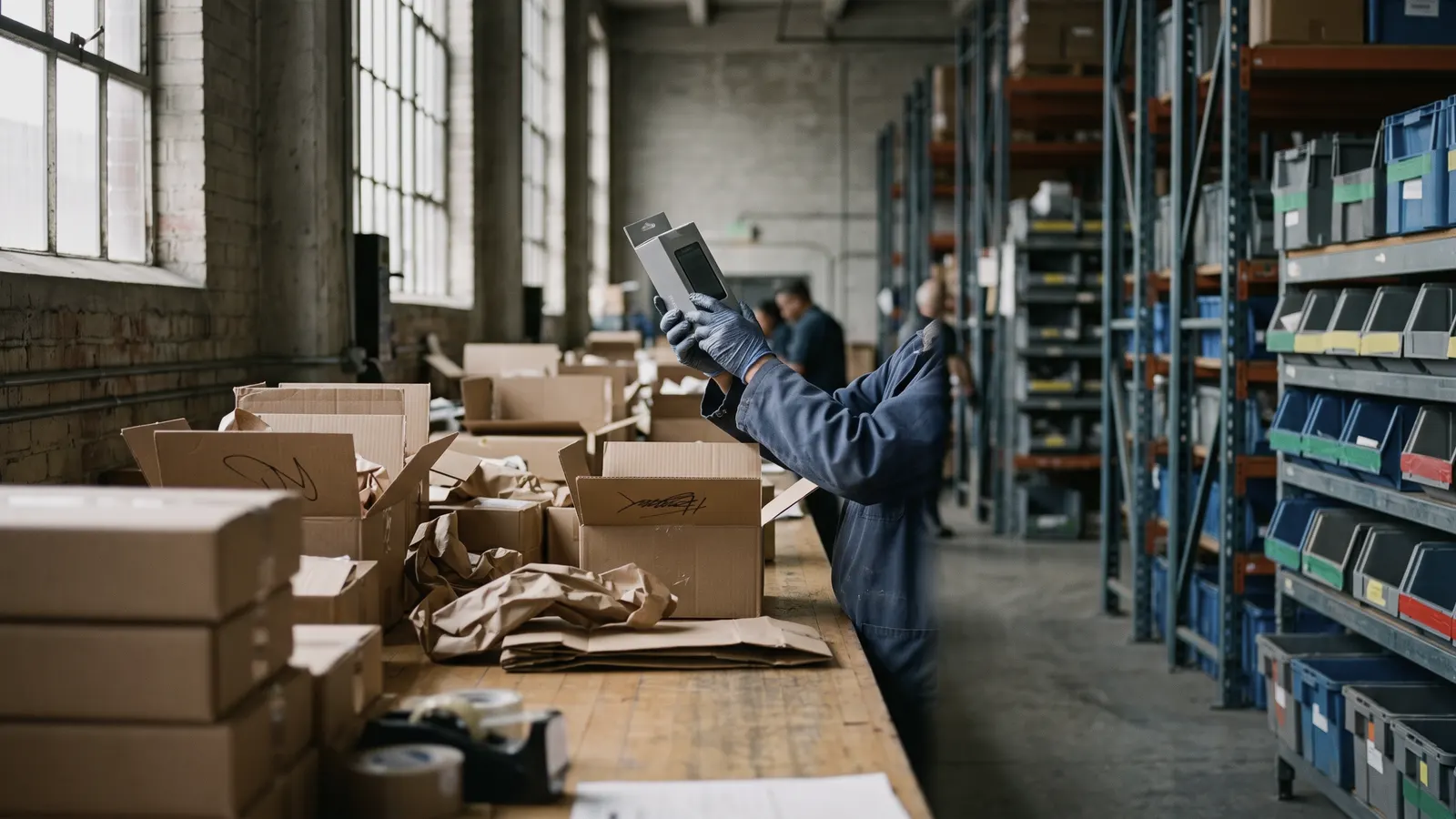
Quick answer: When a customer returns an item bought on Amazon, it is inspected and routed to one of five paths: back to sellable stock as new, resold as used (for example through FBA Grade and Resell or Amazon's resale outlets), sold in bulk through liquidation partners, donated, or recycled. For brands, the last three paths mean your products can reappear in other sellers' hands at much lower prices.
How big is the returns problem?
US retailers expected about $849.9 billion in returns in 2025, or 15.8% of total sales, according to the National Retail Federation and Happy Returns. Online purchases come back more often, at an estimated 19.3%. The same research estimated that about 9% of all returns were fraudulent.
Amazon handles a large share of that volume. Every return has to go somewhere.
What are the five paths an Amazon return can take?
| Path | What happens | Who sells it next |
|---|---|---|
| Back to stock | Unopened, undamaged items return to sellable inventory | The original seller, as new |
| Grade and Resell | Amazon grades the item (Like New, Very Good, Good, Acceptable) and relists it as used | The original seller, as used |
| Amazon resale outlets | Functional but not-new items sold through Amazon's discount channels | Amazon |
| Liquidation | Items sold in bulk to wholesale buyers through Amazon's liquidation partners | Liquidators and resellers |
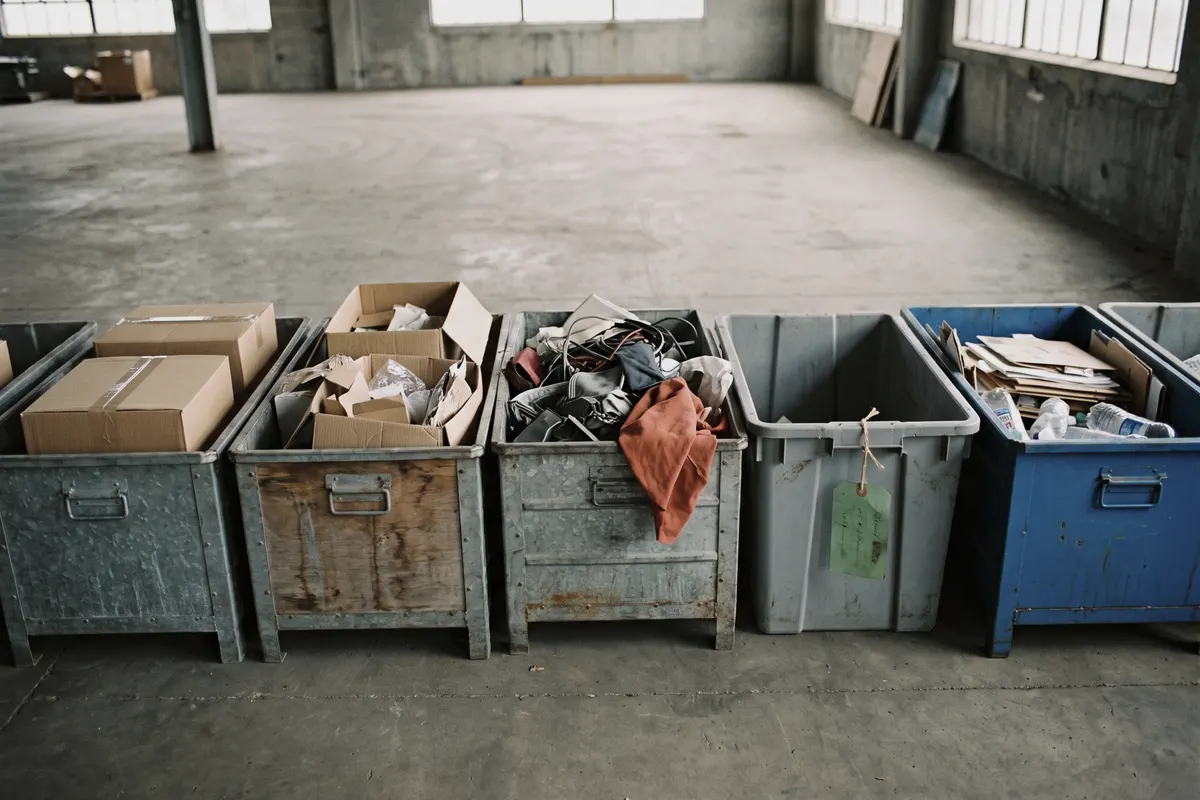
| Donation / recycling | Unsellable or low-value items go to nonprofits or recycling | Charities, recyclers |
What can FBA sellers control?
If you sell through Fulfillment by Amazon, you have a few levers:
- Grade and Resell: Lets you recover value from returns as used listings, for a per-unit fee.
- FBA Liquidations: Sends returned or excess units to bulk buyers. You recover a small share of cost.
- Removal orders: Ship unsellable returns back to yourself or a partner to grade and resell on your own terms.
- Donations: Routes eligible inventory to nonprofits.
If you do nothing, unsellable returns can pile up in storage and keep generating fees.
Why should brands care where returns end up?
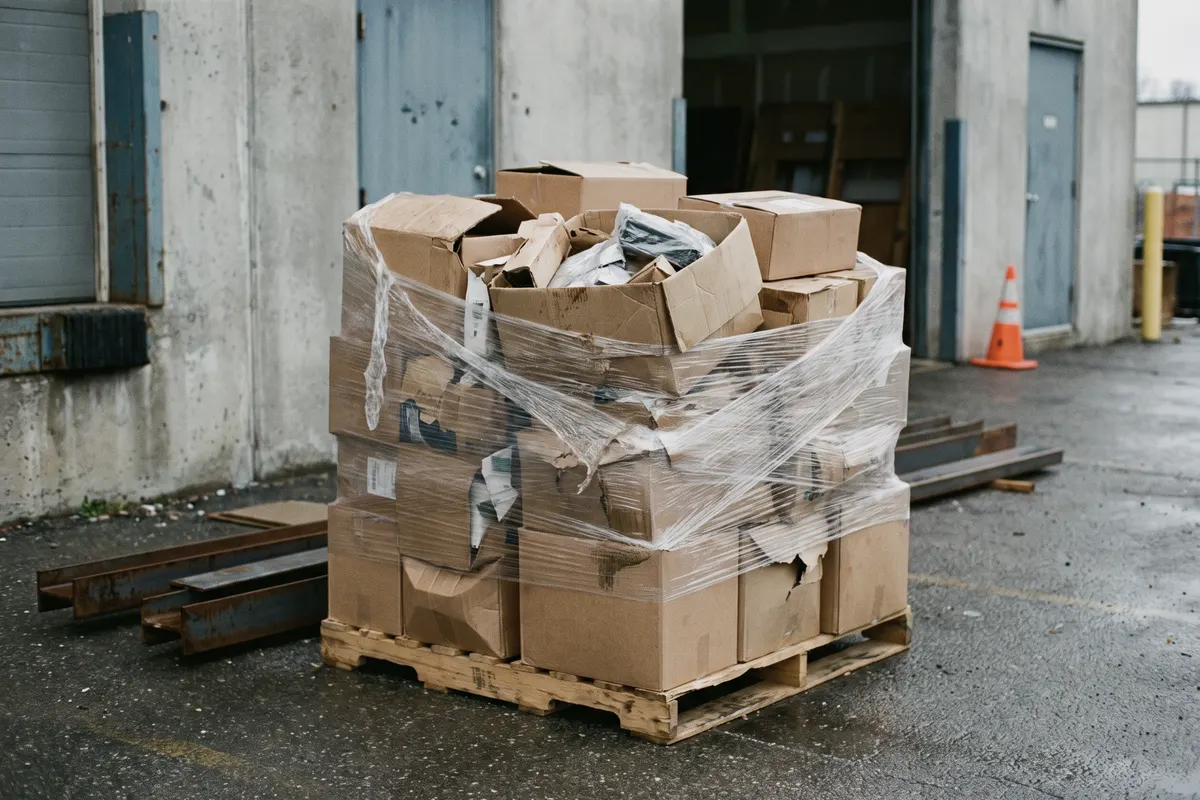
Returned items that go to liquidation are often sold in mixed pallets. Buyers of those pallets resell the products on eBay, Amazon, Facebook Marketplace, flea markets and discount stores. That means:
- Your product appears at prices far below MAP, sometimes on your own Amazon listing.
- Condition may be described poorly, leading to bad reviews tied to your brand.
- Customers may buy a damaged unit and blame the manufacturer, not the reseller.
None of this is illegal. But it is a brand risk that many companies ignore until the reviews arrive. We cover the wider picture in how to protect your brand on Amazon.
How do you take control of your returns?
- Recover returns instead of auto-liquidating. For higher-value items, removal orders let you control grading and resale.
- Grade consistently. Use clear condition categories so open-box and refurbished units are described honestly.
- Choose who buys your returns. A direct buyer who grades, tests and lists items individually protects your brand better than an anonymous pallet auction.
- Fix the root cause. Track return reasons by SKU. A recurring "not as described" often means the listing needs better photos or specs.
The bottom line
Amazon returns do not disappear. They are graded, resold, liquidated or donated, and many end up back on the market with your brand on them. Brands that decide where their returns go protect both margin and reputation.
Have customer returns piling up?
Nevra evaluates returns by category and condition, from untested loads to graded open-box stock. See how we work as customer return buyers.
Nevra is a Sacramento, California–based inventory buyer and multi-channel e-commerce operator that purchases excess, closeout, returned and industrial surplus inventory from US businesses.
Frequently asked questions
Does Amazon resell returned items as new?
Only items that pass inspection as unopened and undamaged go back into new inventory. Others are sold as used, liquidated, donated or recycled.
What are Amazon return pallets?
Mixed lots of returned or excess goods sold in bulk to resellers through liquidation channels.
What is Amazon Grade and Resell?
An FBA program where Amazon inspects returned items, assigns a used condition grade and relists them for the seller.
What percentage of online purchases are returned?
The NRF estimated 19.3% of online sales would be returned in 2025.
Sources: National Retail Federation and Happy Returns, 2025 Retail Returns Landscape; EcomCrew, what happens to Amazon returns; TechSpot, Amazon FBA Grade and Resell and Liquidations.
Have inventory to sell?
Our purchasing team reviews excess, closeout and returned inventory from businesses across the US.
Sell your inventoryMore articles
 Inventory economics
Markdown, Bundle or Liquidate? How to Decide What to Do With Excess Inventory
A simple framework to decide whether to discount, bundle or liquidate excess inventory, with a worked example comparing net cash from each option.
Read article Selling surplus
What to Do With Discontinued Products: 6 Options Compared
Discontinued products lose value every month they sit. Compare six exit options, from final sales to liquidation, by speed, recovery and brand risk.
Read article Inventory economics
5 Inventory Mistakes That Hold Small Brands Back
Holding inventory costs 20–30% of its value every year. Five common mistakes that trap cash in small brands' warehouses, and how to fix each one.
Read article